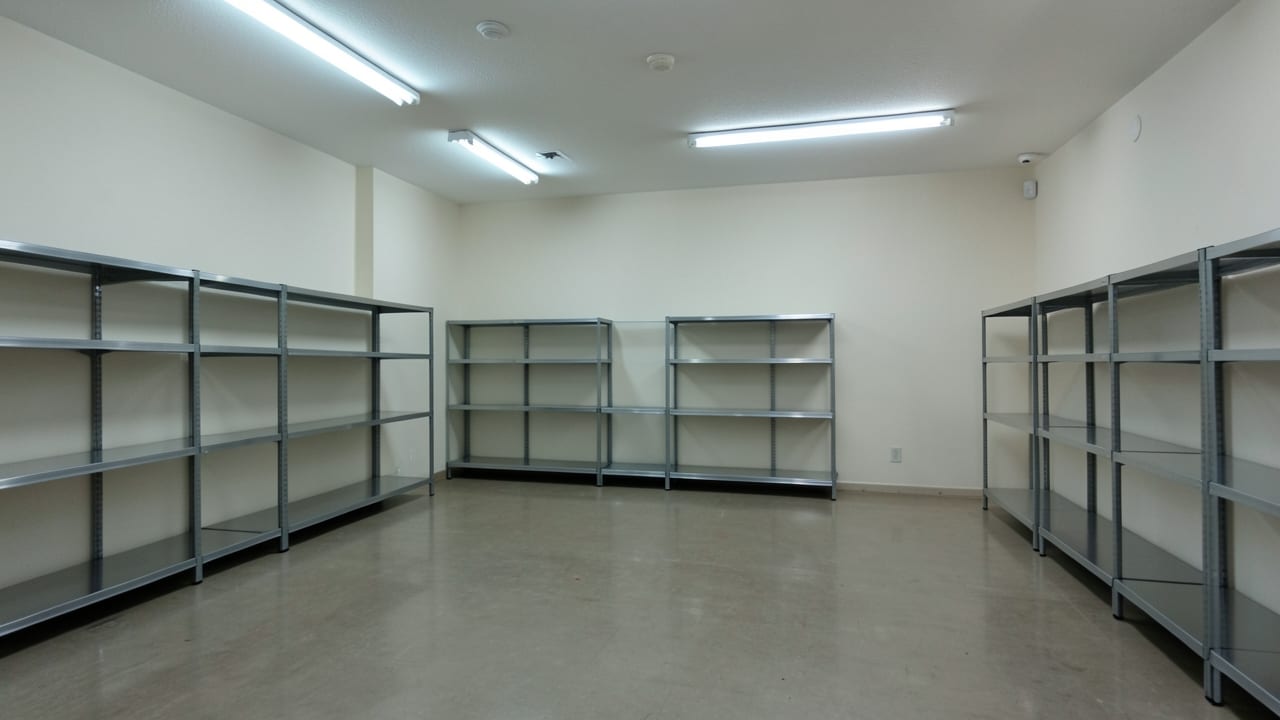
Retail Store Mold Remediation
Professional mold removal and remediation for retail stores to restore safe, clean environments.
In Holly Springs, NC, mold remediation in retail spaces—such as local shops, boutiques, or small commercial buildings—requires specialized techniques to safely remove contamination while minimizing disruption.
Unlike residential work, these projects often involve larger areas, stricter containment protocols, and compliance with health and safety standards to protect both customers and employees. Proper remediation targets hidden moisture sources, prevents spore spread, and restores air quality to prevent recurrence.
We also handle Mold Prevention & Moisture Control and Mold & Asbestos Testing for Holly Springs properties.
When mold in a retail space needs professional help
Mold in a retail store often hides behind walls, under flooring, or inside HVAC systems, making it harder to spot than in a home.
Signs it’s time for professional remediation include patches larger than 25 square feet, mold that keeps returning after cleaning, or a musty smell that worsens when the building’s air system runs. These indicate moisture issues that won’t resolve without addressing the root cause.
Stagnant air in windowless spaces—like storage rooms or back offices—can also trap humidity, fueling hidden growth. If you notice discoloration on ceilings, walls, or around plumbing, or if employees or customers report respiratory irritation, containment and removal by a trained team is the safest approach.
DIY methods risk spreading spores further or missing hidden contamination.
Red Flags for Professional Mold Remediation
- Mold covering more than a small, isolated patch (e.g., 25+ square feet).
- Growth that returns within weeks after cleaning.
- A musty smell with no visible mold—often a sign of hidden moisture.
- Visible mold in HVAC vents, ductwork, or behind walls.
- Employees or customers reporting headaches, coughing, or irritation near the affected area.
What affects cost and timeline for retail mold remediation
Pricing for mold remediation in retail spaces is project-specific, not a flat rate, because factors like square footage, moisture source location, and containment needs vary widely. Unlike residential work, commercial projects often require stricter protocols—such as sealing off high-traffic areas—to prevent spore spread during business hours.
Labor costs also rise if the work must be done after hours or in phases to avoid disrupting operations.
Hidden moisture sources (e.g., roof leaks, plumbing failures, or poor drainage) add time and expense, as they may require structural repairs or drying equipment before remediation can begin.
Clearance testing—an independent air or surface sample to confirm spore levels are safe—is typically billed separately and is critical for compliance in shared or public spaces.
Why containment and testing matter
Plastic sheeting and negative-air machines create a sealed work zone to trap spores during removal, preventing them from drifting into unaffected areas. Without this, a small job can turn into a building-wide contamination issue.
HEPA-filtered air scrubbers and vacuums are used to capture spores, as standard equipment recirculates them back into the air, worsening the problem.
After removal, industrial dehumidifiers and air movers dry structural materials to prevent regrowth, and an independent clearance test confirms spore levels are back to normal before containment is removed. Skipping these steps leaves hidden moisture sources untouched, leading to recurrence within months.
A breach in containment—such as an open door or torn plastic—can release spores into hallways, HVAC systems, or other rooms, turning a contained job into a much larger one.
How retail mold remediation works
This process prioritizes containment, removal, and moisture control to prevent recurrence.
- 1Containment Setup
Plastic sheeting and negative-air machines seal off the work area to trap spores during removal, preventing them from spreading to other parts of the building.
- 2Material Removal or Cleaning
Porous materials like drywall or carpet padding—where mold grows deep—are cut out and bagged, while non-porous surfaces (tile, metal framing) are scrubbed and treated to kill remaining spores.
- 3HEPA Filtration and Drying
HEPA air scrubbers run continuously to capture airborne spores, and industrial dehumidifiers dry structural materials to eliminate hidden moisture that fuels regrowth.
- 4Clearance Testing
An independent lab tests air or surfaces for remaining spores before containment is removed, ensuring the space meets safety standards.
- 5Moisture Source Repair
Fixing leaks, improving ventilation, or adjusting humidity in the affected area helps prevent mold from returning after remediation.
Frequently asked questions
My retail space has a musty smell but no visible mold. Could it still be a problem?
Yes. Musty odors often signal hidden mold behind walls, under flooring, or inside HVAC systems. Without visible signs, spores may already be circulating through the air, posing a risk to employees and customers. A professional inspection can pinpoint the source.
Will remediation disrupt our business operations?
Disruption depends on the scope. Small, contained jobs may require only after-hours work, while larger projects might need phased scheduling to keep the space open. Discussing containment strategies and timing with the remediation team upfront can minimize downtime.
How do I know if the mold will come back after remediation?
Recurrence often happens when the moisture source isn’t fixed—such as leaks, poor ventilation, or external water intrusion. Post-remediation, monitor humidity levels in the treated area and address any new dampness promptly to reduce the risk.
Do I need to check with my local HOA or city code before hiring a remediation team?
If your retail space is part of a shared property (e.g., a strip mall or mixed-use building), your HOA or local codes may have specific rules about mold remediation, containment, or documentation. Reviewing these upfront can avoid delays or compliance issues later.
Where Holly Springs sits, and what the Census lists nearby
Holly Springs sits in North Carolina, and the closest places listed in the U.S. Census Gazetteer are Apex (5.4 miles northwest), Fuquay-Varina (5.4 miles southeast), Cary (8.9 miles north), Angier (11.1 miles southeast). Within 25 miles of Holly Springs the same source lists 28 distinct incorporated places and census-designated places.
Those figures matter for retail store mold remediation because they are straight-line distances between Census coordinate points: road mileage between Holly Springs and Apex runs longer than the 5.4 miles shown, which is why quotes for the same job differ between towns that look close together on a map.
Source: U.S. Census Bureau Gazetteer.
See Pittsboro, NC for more, or take a look at our full Holly Springs-area coverage for our complete lineup.
Ready to get started?
Talk to a local mold remediation pro in Holly Springs — get a written quote.
Other Mold Remediation Services in Holly Springs
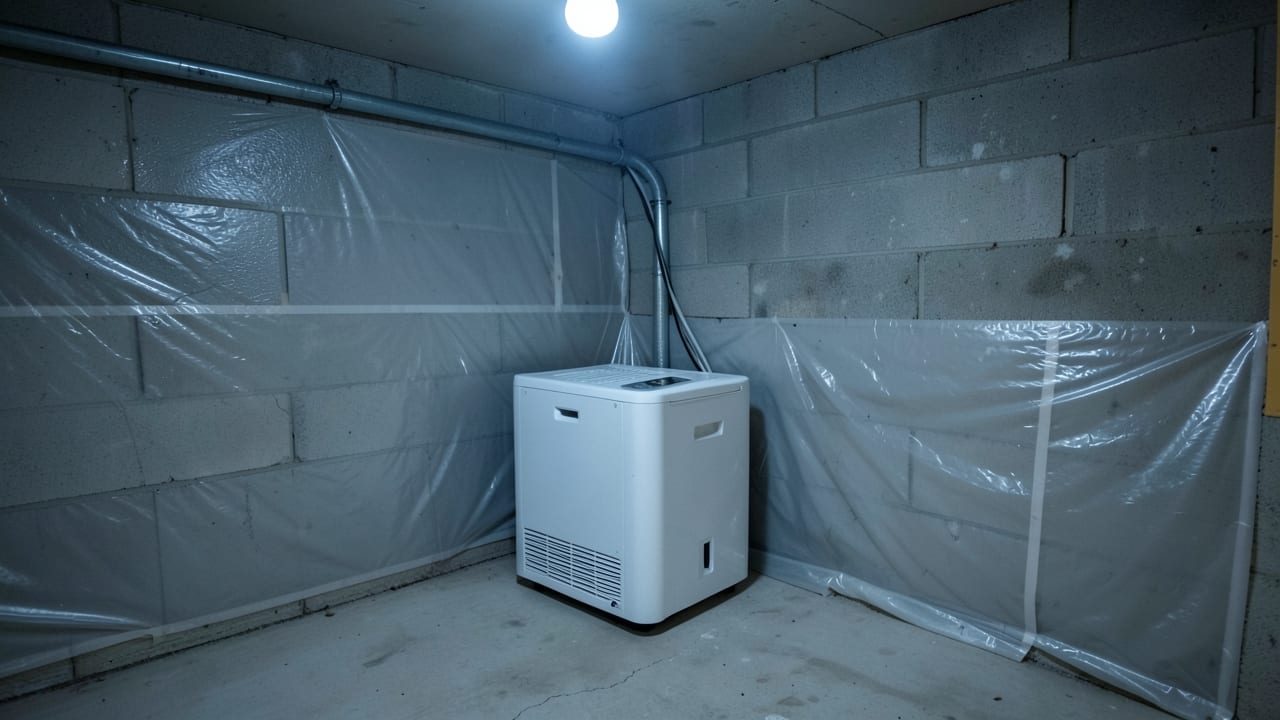
Mold Prevention & Moisture Control in Holly Springs, NC
Mold prevention and moisture control in Holly Springs, NC — addressing ventilation, humidity, and drainage before growth starts, not after.
Learn More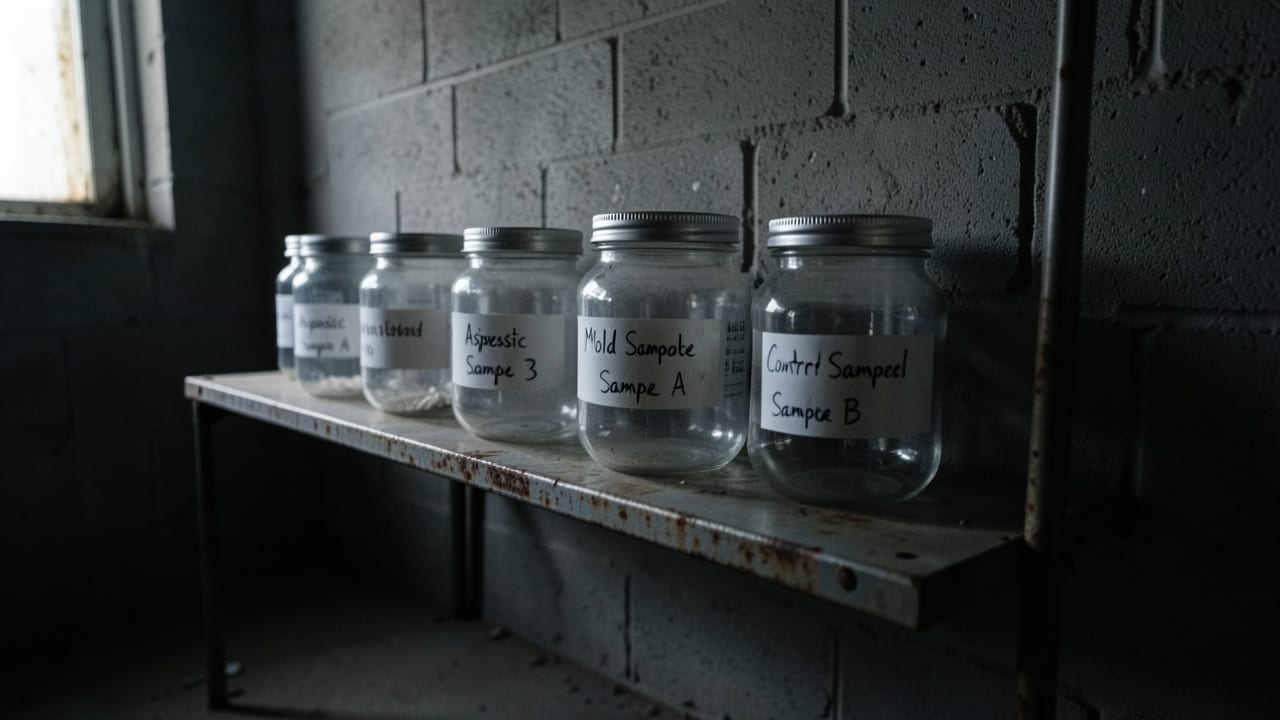
Mold & Asbestos Testing in Holly Springs, NC
Combined mold and asbestos testing in Holly Springs, NC — one inspection visit, lab-verified results for both.
Learn More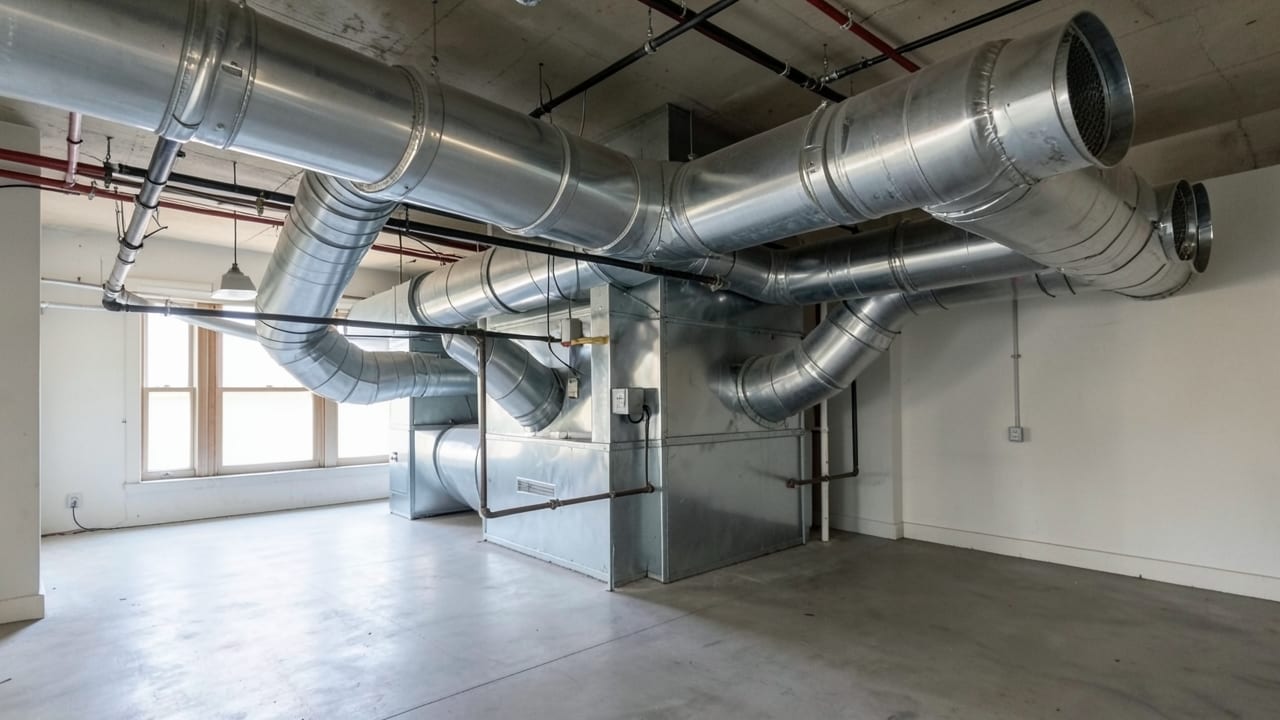
HVAC Mold Remediation in Holly Springs, NC
HVAC and ductwork mold remediation in Holly Springs, NC — mold growing inside the air handler or duct system, spreading through every vent.
Learn More
Drywall Mold Remediation in Holly Springs, NC
Professional removal and treatment of mold growth behind or on drywall surfaces.
Learn More
Bathroom Mold Removal in Holly Springs, NC
Professional assessment and removal of mold in bathrooms to restore a safe, clean environment.
Learn More
Kitchen Mold Cleanup in Holly Springs, NC
Professional assessment and removal of mold in kitchen areas to restore a safe, clean environment.
Learn MoreCommon Questions About Mold Remediation in Holly Springs
Everything you need to know about mold remediation services in Holly Springs
How much does Retail Store Mold Remediation typically cost in Holly Springs, NC?
Why does Holly Springs, NC's humidity make mold a bigger risk than in drier regions?
What's the actual difference between mold removal and mold remediation?
Is a final clearance test part of a typical mold remediation job?
How does mold remediation actually prevent the problem from coming back?
Can mold growing inside HVAC ductwork spread to the rest of a home?
Need Mold Remediation in Holly Springs?
Connect with local providers in Holly Springs for a detailed quote.
⏰ We answer your call • Serving all of Holly Springs and surrounding areas